


DCHC Land Acknowledgement
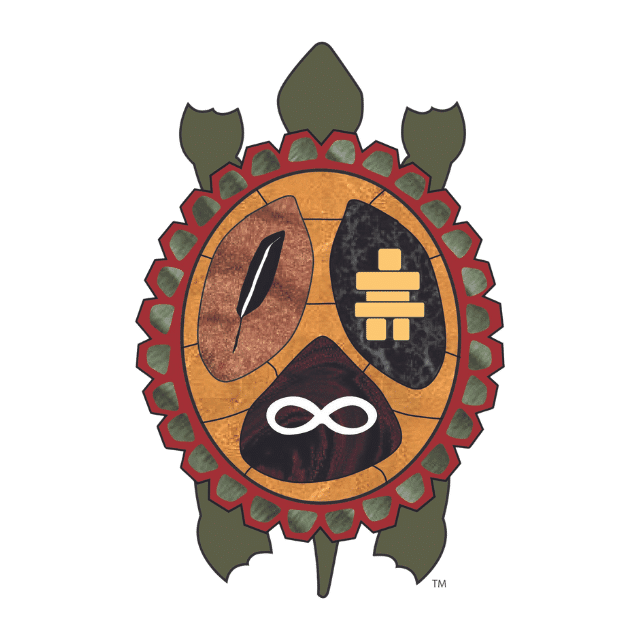
DCHC Land Acknowledgement
Below you will find the DCHC Land Acknowledgement. Land Acknowledgements are an important first step toward truth, reconciliation, and respectful relationships with Indigenous Peoples and First Nations communities. On their own, however, they are not enough. For a Land Acknowledgement to be meaningful, it must be accompanied by ongoing learning, reflection, and action.
For many of us, this includes recognizing ourselves as settlers—whether our families arrived in Canada recently or generations ago. Naming ourselves as settlers helps to contextualize our relationship to this land and clarifies our responsibilities within the context of treaties, agreements, and the 94 Calls to Action of the Truth and Reconciliation Commission of Canada.
We invite you to read the Land Acknowledgement thoughtfully, reflect on the privileges and opportunities this land provides, and deepen your understanding of the histories and lived experiences of First Nations and Indigenous Peoples in the Durham Region. Learning is an ongoing process, and we encourage all who engage with DCHC to continue that journey with openness and respect.
PRONOUNCATION GUIDE
Alderville All-Der-Ville
Anishinaabe Awe-Nish-In-Awe-Bay
Anishinaabeg Awe-Nish-In-Awe-Bag
Beausoliel Bow-So-Lay
Chippewa Chip-Awe-Wa
Haudenosaunee ho-den-O-shoo-nee
Hiawatha High-Uh-Woth-Uh
Inuit Ih-New-Eat
Métis May-Tee
To begin, we would like to acknowledge that DCHC operates within the shared ancestral homelands of the Anishinaabeg, Haudenosaunee, and Huron-Wendat Peoples. This area is located within the Dish With One Spoon treaty lands, a living agreement between the Anishinabek and Haudenosaunee Peoples that bound them together to share and protect these lands, based on the values of harmony, respect, and reciprocity.
We also respectfully acknowledge that the work of DCHC takes place on the treaty lands of the Alderville First Nation, Beausoleil First Nation, Chippewas of Georgina Island First Nation, Curve Lake First Nation, Hiawatha First Nation, the Mississauga’s of Scugog Island First Nation, and Rama First Nation, which are covered by the Williams Treaty of 1923. However, it wasn’t until 2018 that inherent rights to hunt, fish, and harvest were recognized under the Williams Treaty, rights that had been wrongfully denied and had a direct impact on the health of the communities.
At Durham Community Health Centre, we recognize the profound impact of colonization, and we identify it is our responsibility to take the necessary steps to support healing, uphold Indigenous cultural values, and help create an equitable health system where Indigenous communities feel safe, valued, and cared for.
Durham Region continues to be home for many First Nations, Inuit, and Métis Peoples.
We are all Treaty people. Many of us have come here as settlers, immigrants, or newcomers in this generation and generations past.
We encourage you to reflect on your connection to this land, the privileges it offers, and your role in reconciliation, including the 94 Calls to Action from the Truth and Reconciliation Commission.
Thank you. Migwetch/Nia:wen.
Continue Learning
Ten years after the Truth and Reconciliation Commission issued its Calls to Action, what has been achieved? Calls to Action 18–24 challenge governments and health authorities to acknowledge colonial harms, close health gaps, recognize Indigenous approaches to healing, and transform healthcare systems. This report assesses public health authority responses to Calls 18–24 through an environmental scan of provincial, territorial, and federal actions from April 2024 to April 2025.
Link: https://yellowheadinstitute.org/wp-content/uploads/2025/09/Braiding-Accountability-Final.pdf
Whose Land is a web-based app that uses GIS technology to assist users in identifying Indigenous Nations, territories, and Indigenous communities across Canada. The app can be used for learning about the territory your home or business is situated on, finding information for a land acknowledgement, and learning about the treaties and agreements signed across Canada.
EXCERPT: Indigenous peoples have called this land home for thousands of years. However, like the rest of Turtle Island (North America), the history of Oshawa has been told solely from the settler perspective. The voices of the distinct Indigenous nations that have stewarded this land have been largely omitted. This exhibit will focus on the earliest inhabitants, the First Nations.
To view a downloadable version of our full Land Acknowledgement, including identifying your relationship to the land, please click here.
Health Insights Delivered Straight to your Inbox
Sign up free today, and receive the latest articles, tips, offers, and advice for living healthy!